Every effort must be made to block moving the White Sox
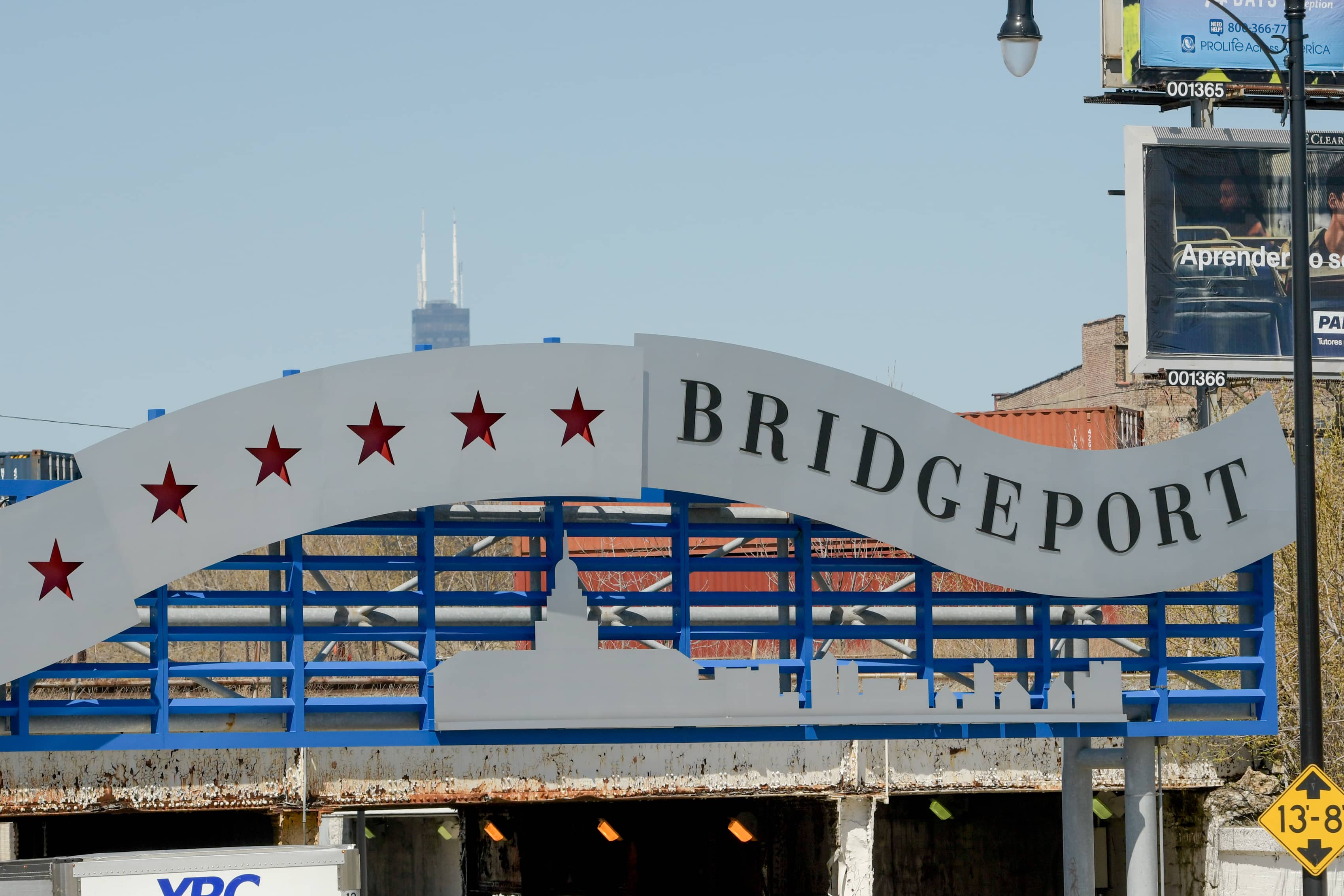
Justin Ishbia, the Chicago White Sox owner-in-waiting, is trying to pave the way for the franchise’s relocation to the South Loop by spearheading a $900 million project to move an Amtrak maintenance facility to Bridgeport. Just what Chicago needs: A second massive, empty sports stadium left without a primary tenant. The move threatens to disrupt a historic, working-class neighborhood. This Amtrak relocation plan should be dead on arrival.
Through his private equity firm, Shore Capital Partners, and development entity, Canal Edge LLC, Ishbia is under contract to purchase Amtrak’s current 47-acre 14th Street Coach Yard in the South Loop. He intends to clear this prime waterfront land for mixed-use development, including a long-rumored baseball stadium. To accomplish this, the existing passenger rail operations must be relocated. To facilitate the move, Ishbia has committed more than $125 million in private financing to help deliver a new $900 million maintenance complex in Bridgeport.
The project has been moving forward with minimal public input; the first public meeting occurred on August 20th, with few questions answered — this for a project scheduled to break ground in the fall of this year. How do you say “the skids have been greased?” Amtrak plans to shift its regional pollution-generating maintenance hub to Union Pacific’s 60-acre Canal Yard site near 35th and Canal, adjacent to the White Sox’s Guaranteed Rate Field. The plan gained momentum after securing nearly $700 million in federal grant funding. Meanwhile, the White Sox would conceivably vacate Bridgeport when their stadium lease expires in 2029.
This proposal has drawn sharp pushback from Bridgeport residents and local leaders. Community members are reacting not only to the potential loss of the storied sports franchise that has anchored the neighborhood for generations, but also to the industrial realities of the proposed facility. Operating 24 hours a day, seven days a week, the facility raises legitimate concerns — and, for many, alarm — regarding the pollution the complex could bring to the neighborhood and the potential negative impact it could have on nearby residential property values.
The environmental risks here are very real. Operating around the clock as an active cleaning and maintenance hub would generate continuous emissions of diesel particulate matter near residential blocks. Servicing the industrial footprint would require regular heavy transport traffic, increasing emissions in an area already burdened by industrial activity. A multi-story maintenance plant operating continuously also creates risks associated with low-frequency noise and vibration. Industrial solvents, degreasers, and chemical runoff from heavy washing pose additional environmental risks to local soil and nearby waterways.
Equally concerning is the lack of a full Environmental Impact Statement (EIS). The project was granted a “categorical exclusion” from comprehensive federal environmental review by the Federal Railroad Administration. This designation allows Amtrak and its private partners to move forward with hundreds of millions of dollars in federal grants without first conducting exhaustive, multi-year environmental testing. Bypassing standard environmental review for a complex of this size in a densely populated urban center is an absolute failure of regulatory oversight.
It should not be lost on the public that Chicago ranks among the top tier of polluted major cities in the United States, primarily due to ozone and fine particulate air pollution. While Chicago weather and the Canadian wildfires are a factor, Chicago’s pollution is considerably worsened by reasons of its own making, regionally speaking: Traffic, industrial density, abandoned industrial sites, and lead in the drinking water — and, despite city leaders’ environmental justice rhetoric, their glacial approach toward addressing environmental contaminants.
The consequences of neglect are visible in Chicago’s stark health inequities. According to the Chicago Department of Public Health and NYU Langone Health, Chicago has the largest life expectancy gap between neighborhoods of any major U.S. city. It’s not just about differences by race. The Loop’s life expectancy reached 87.3 years, while residents of West Garfield Park averaged just 66.6. These two-decade disparities are inseparable from environmental issues and public health services. Given that reality, the community’s anxiety over this project is well justified.
Amtrak says the new yard will “allow for more efficient servicing of rail cars, reduce service disruptions and turnaround time,” noting that the existing 14th Street facility was “designed for a different era and no longer provides the space, configuration, or modern capabilities needed.” Ishbia, in a statement provided through Amtrak, said that “by committing substantial private capital and standing behind the delivery of this project, we are investing in the South Side, creating union jobs, and building infrastructure that will strengthen Chicago and the national rail network for generations.”
Hogwash!
While upgrading passenger rail infrastructure is a valid regional goal, it should not require imposing a heavy industrial footprint on a stable, working-class residential community. A primary driver here remains clearing the South Loop parcel for real estate acquisition and a potential stadium project. If the White Sox depart, Chicago will be left with two massive sports stadiums lacking primary tenants — leaving Guaranteed Rate Field to sit underutilized unless substantial public funds are committed to maintain or repurpose it.
The South Loop holds natural development potential that can be realized without an anchor stadium. Private sports investments can succeed by focusing on existing footprints, as the Ricketts family demonstrated with their Wrigley Field 1060 Project. They invested more than $1 billion in private capital to update the historic ballpark while transforming surrounding blocks into a year-round commercial district. While Bridgeport presents different zoning and space constraints, stadium-driven development opportunities exist in the surrounding area on both sides of the Dan Ryan.
The proposed Amtrak relocation to the Bridgeport site should not move forward. It is a very bad idea that will impose health risks and quality-of-life issues. With the federal funding the federal government has made available, Amtrak and its partners should focus on upgrading their existing footprint or identifying a more appropriate site, perhaps in a properly zoned industrial location.
Chicago can support infrastructure modernization and smart economic development without sacrificing the health of its residents and the stability of its historic neighborhoods.
