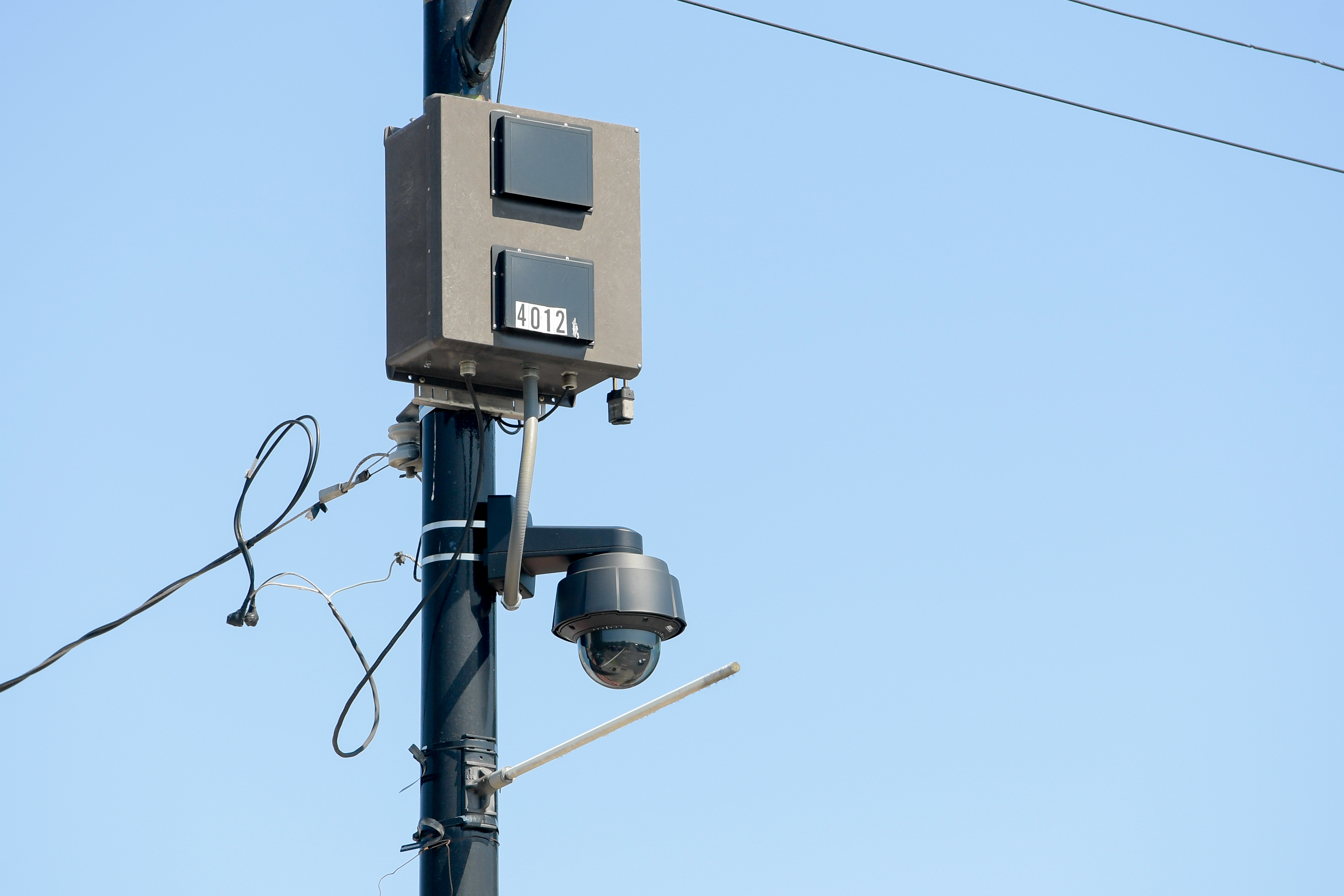
Mayor 6.6 didn’t eliminate ShotSpotter to prevent disorder. He eliminated it to preserve disorder
There is something almost surreal about watching Mayor Brandon Johnson suddenly attempt to reinvent himself as a law-and-order reformer after spending the better part of his administration dismantling the very tools that police use to fight violent crime.
Now, after yet another bloody holiday weekend in Chicago filled with youth gatherings descending into violence, police officers being struck by vehicles, shootings, and general chaos, the mayor wants the public to believe that everything is going according to plan. According to Johnson, getting rid of ShotSpotter was actually a success story because response times have improved in the areas where the technology once operated.
That argument is so intellectually dishonest it borders on parody.
ShotSpotter was never primarily about shaving a few minutes off response times to 911 calls. Its purpose was to detect gunfire that otherwise would never be reported at all. In many neighborhoods plagued by violence, witnesses are afraid to call 911, residents have become numb to gunfire, or victims are left bleeding to death without anyone alerting police. The entire point of the technology was to identify shootings that would otherwise remain invisible.
But invisibility, politically speaking, was precisely the attraction.
The Johnson administration inherited a city where crime statistics were already becoming politically radioactive. Progressive activists increasingly viewed policing itself as inherently oppressive, and technologies like ShotSpotter were denounced not because they failed to detect gunfire, but because they facilitated arrests and police deployment in high-crime neighborhoods. The progressives wanted to protect criminals. In the ideological worldview of the modern progressive left, disparities in enforcement are automatically interpreted as proof of systemic racism, regardless of whether those disparities simply reflect disparities in crime.
That is the uncomfortable truth nobody at City Hall wants to say aloud.
Mayor Johnson has repeatedly signaled throughout his political career he views aggressive policing and incarceration with deep suspicion. His political coalition is rooted in activist organizations that regard the criminal justice system less as a protector of innocent people and more as an instrument of oppression. Seen through that lens, the elimination of ShotSpotter makes perfect sense. The goal was not merely budgetary efficiency or technological modernization. The goal was to reduce police interaction, reduce arrests, reduce enforcement pressure, and ultimately reduce the visibility of violent crime itself.
If fewer shootings are detected, fewer enter the official statistics. If police are sent to fewer scenes, fewer arrests occur. If fewer arrests occur, activists can claim progress against “over-policing.”
Meanwhile, actual residents of violent neighborhoods continue dodging bullets.
Now comes the truly remarkable part. After spending years attacking policing tools, Johnson suddenly finds himself facing political reality. His approval ratings are abysmal. Even many Democrats are openly discussing replacing him. The city feels increasingly disorderly, chaotic, and unsafe. Businesses are fleeing. Tourism suffers every time another viral video emerges of teen takeovers, mob violence, or mass shootings downtown. The mayor who once governed like an activist now wants to campaign like Rudy Giuliani.
Good luck with that.
Johnson’s attempt to pivot toward public safety while pretending his anti-policing record never existed is one of the most brazen political reinventions Chicago has seen in years. Listening to him now talk about “effective technology” and “improving safety” is rather like hearing an arsonist lecture the public about fire prevention.
Even members of the City Council appear increasingly exasperated. Aldermen such as Pat Dowell have openly questioned why the administration has dragged its feet for nearly two years while violence continues. Dowell’s sarcastic remark that she could “buy a nice lunch” if she had a dollar for every time officials said they were working “diligently” captured the frustration perfectly.
The administration’s excuses grow thinner by the day.
What makes the mayor’s argument especially absurd is that his own administration is simultaneously exploring replacement gunshot-detection systems from nine different companies. If ShotSpotter-style technology is so useless and ineffective, why continue pursuing it at all? The obvious answer is political survival. Johnson realizes that the public overwhelmingly supports proactive crime-fighting tools when they are explained honestly and used responsibly.
The mayor is now trapped between ideology and reality.
Reality is winning.
Chicagoans understand instinctively that technology alone will not solve violent crime. ShotSpotter was never a magic wand. But neither are surveillance cameras, DNA databases, license plate readers, radios, helicopters, or 911 systems. They are tools. And civilized societies use tools to protect innocent people from predators.
The ideological hostility toward those tools reflects something deeper and more troubling: An unwillingness to prioritize the rights of law-abiding citizens over the sensitivities of activists who see every enforcement mechanism as morally suspect.
That philosophy has consequences.
The consequences are visible every weekend in downtown Chicago. They are visible on the CTA. They are visible in neighborhoods where residents hear gunfire so routinely that they no longer bother calling police. They are visible in businesses abandoning parts of the city because customers no longer feel safe.
And they are visible in the extraordinary spectacle of Mayor Brandon Johnson trying to rebrand himself as tough on crime after helping dismantle the very infrastructure designed to combat it.
The mayor can cite response-time studies all he wants. He can accuse critics of “fear mongering.” He can attempt to bury his own record beneath carefully crafted talking points. But Chicagoans remember what happened. They remember the ideological crusade against policing. They remember the attacks on officers. They remember the hostility toward proactive enforcement. They remember the endless excuses for disorder.
Most importantly, they remember who was in charge while the city descended further into chaos.
Brandon Johnson did not eliminate ShotSpotter because he believed disorder was disappearing. He eliminated it because, philosophically and politically, disorder was preferable to aggressive enforcement.
Now that reelection looms, he wants voters to forget all of that.
They shouldn’t.
