Leadership Is Not a Negotiation. It Is Time for Police Leaders to Step up and Lead
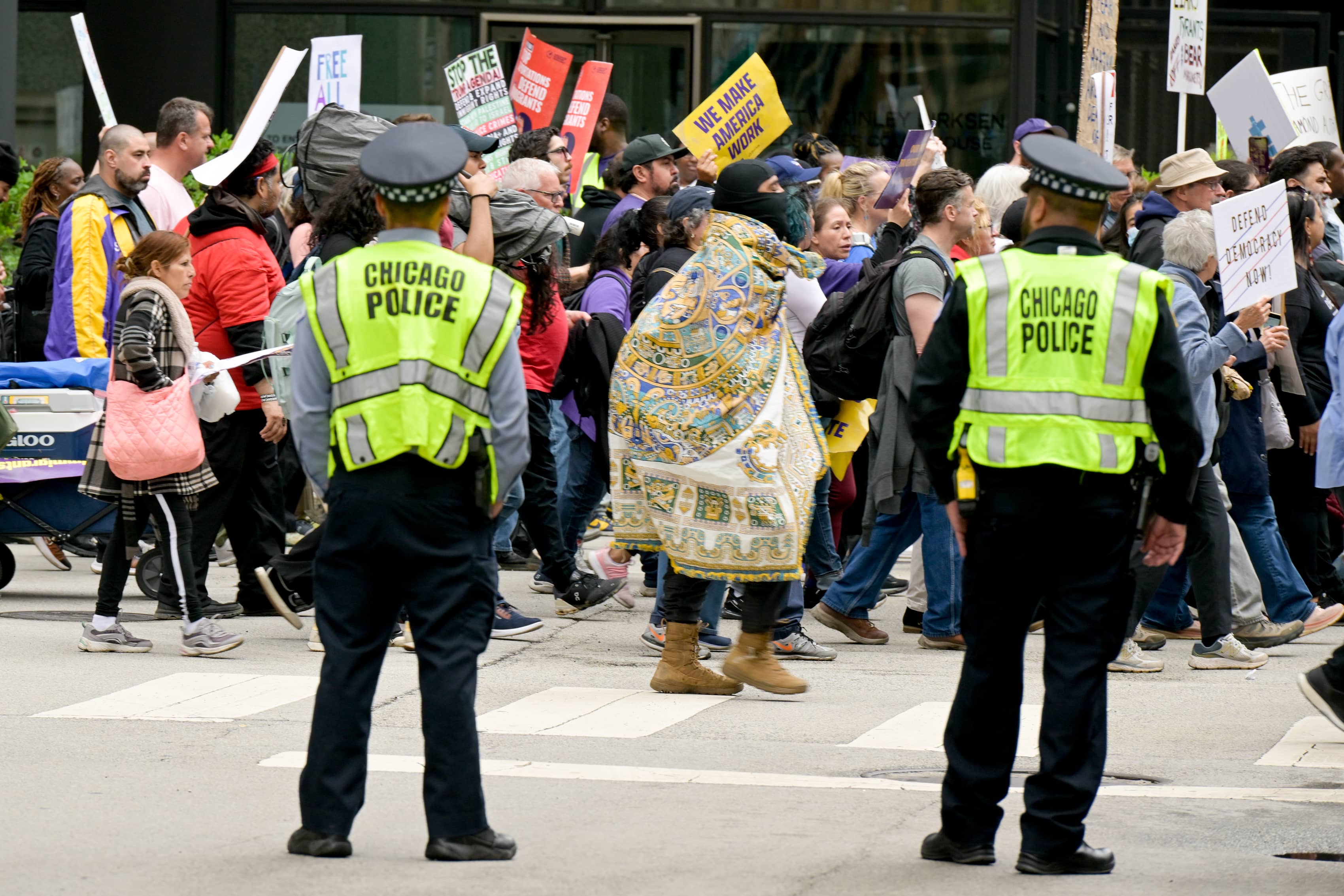
For police to be effective, bold and principled leadership is essential
After almost 40 years in law enforcement, including 13 years serving as a police chief, I have come to a conclusion that’s increasingly hard to overlook.
Too many police leaders have given up on leading.
That is not a criticism of every chief, sheriff, or superintendent in America. I know many exceptional leaders who serve with courage and integrity. However, I also see far too many who have become silent, hesitant, and afraid of political pressure.
That silence is harming our profession.
Police agencies across America face challenges from all sides. Legislatures keep passing laws that weaken policing and make it harder to recruit and retain qualified officers. New restrictions target technology crucial for solving violent crimes. Artificial intelligence, automated license plate readers, facial recognition systems, and other investigative tools encounter rising political opposition even before many people understand how they are used or regulated. These tools are not a substitute for police officers.
They help find missing children. They identify murder suspects. They recover stolen vehicles. They solve shootings and armed robberies. They make officers and communities safer.
Instead of enhancing oversight while enabling officers to use these tools responsibly, many lawmakers opt to restrict them. The result is fewer investigative resources for police and more advantages for criminals who keep adapting to new technology every day.
Meanwhile, hiring standards continue to decline. Retention has become one of the biggest challenges in law enforcement. Experienced officers are retiring early. Fewer qualified applicants are applying. Agencies lower standards to fill vacancies.
That is a risky mix. The solution isn't to lower expectations.
The solution lies in restoring respect for law enforcement and fostering an environment where good people want to serve again. That starts with leadership.
Too many police chiefs stay silent while false accusations spread across social media and cable TV. Many refuse to challenge inaccurate reporting out of fear of criticism from elected officials or activist groups. Leadership is built on facts and courage.
Leadership means facing your officers and community and speaking honestly, even when the truth isn't popular. Our officers observe when leaders stay silent.
They notice when police chiefs fail to defend them against baseless accusations. They notice when city halls issue statements before investigations are finished. They notice when politics becomes more important than facts.
Whenever leadership stays silent, morale declines.
Leadership is not a negotiation.
Whether you are a mayor, city manager, county executive, or village president, your responsibility is straightforward: hire a qualified police chief or superintendent. Let that leader manage the department professionally and independently. Make sure they are held accountable for results.
If they don't succeed, replace them. If they do, support them. Unfortunately, we have shifted away from choosing the most qualified leaders.
All across America, many police chiefs and sheriffs lack extensive executive experience. Some have only a limited background in command. In smaller communities, individuals are appointed who have never been police officers. That should worry every taxpayer.
Managing a police department is one of the toughest executive roles in government. It demands experience in handling people, budgets, labor issues, criminal investigations, emergency responses, constitutional law, community engagement, and public accountability. These skills are not learned overnight.
That is why I have repeatedly called for mandatory police chief certification in Illinois. I believe every state should require standardized executive leadership training before someone is entrusted with leading a police department. The public deserves nothing less.
Many police chiefs today are nearing retirement. Some have spent decades building successful careers and understandably worry that speaking out could cost them their jobs. Those days are gone.
If you accept the responsibility of leading a police department, then lead it. Your officers are watching.
Contrary to what some believe, today's young officers are not seeking weaker leadership. They want stronger leadership. They value consistency, honesty, and leaders who are willing to make decisions rather than avoid them.
No leader is perfect. No sheriff is perfect. No superintendent is perfect. But officers will follow leaders who show courage, fairness, and competence.
We have also seen painful examples of leadership failures.
The response to rioting after the murder of George Floyd revealed serious leadership failures in several major cities. Political leaders often gave conflicting instructions, while police leaders struggled to keep order amid intense public and political pressure. When leadership became unsure, confusion over confidence took over, and officers suffered the consequences.
Recently, some major city police departments have become more politicized, with chiefs balancing public safety with political pressures rather than focusing on professional policing. When politics takes over good police leadership, both officers and communities suffer.
Some examples warrant recognition.
I have long admired the leadership demonstrated by Bill Bratton. Whether leading the New York City Police Department or the Los Angeles Police Department, Bratton demonstrated that strong leadership, accountability, data-driven policing, and support for officers can significantly reduce crime while maintaining public trust. He made tough decisions. He communicated clearly. He never forgot that leadership needs visibility and conviction.
America needs more leaders willing to face the cameras rather than hide behind public information officers or carefully crafted press releases.
We also need lawmakers who support law enforcement. For years, Congress has failed to pass the Protect and Serve Act. This legislation would establish stricter federal penalties for deliberately targeting law enforcement officers while they are performing official duties.
How many more officers must be murdered or seriously wounded before Congress finally takes action? Supporting law enforcement should never be a partisan issue.
Every officer who wears a badge deserves to know the government values their service and will protect them when they become targets, just because they wear a uniform.
I stay hopeful about the future of policing because I know the men and women entering this profession. They are intelligent, committed, and resilient. What they need are leaders worth following. Our profession finds itself at a crossroads.
We can keep making excuses, giving up authority, and letting others define who we are. Or we could take the lead.
If police leaders fail to support their officers, promote good policing practices, challenge misinformation, and speak truthfully to elected officials, our profession will keep moving closer to chaos. The era of silent leadership is over.
If you don't want the responsibility of being a police chief, superintendent, or sheriff, then step aside and let someone else take the lead.
There are many other jobs available. Stocking shelves at Target is one of them. America's police officers deserve leaders who will stand up for them. Nothing less than this will save the profession.
Tom Weitzel is a retired Chief of Police in Riverside, Illinois, and a longtime supporter of evidence-based policing and officer safety. He serves as a fellow with Awake Illinois and as an ambassador for the National Law Enforcement Officers Memorial Fund. Weitzel also sits on the advisory council for Citizens Behind the Badge in McLean.
The views expressed in this article are solely my own and do not necessarily reflect the official policy or position of any organization, employer, or company I have worked for. My current advocacy and commentary are independent and reflect my personal experiences and beliefs.
