Converting Commercial Office Buildings to Residential Apartments Won’t Save Chicago Real Estate
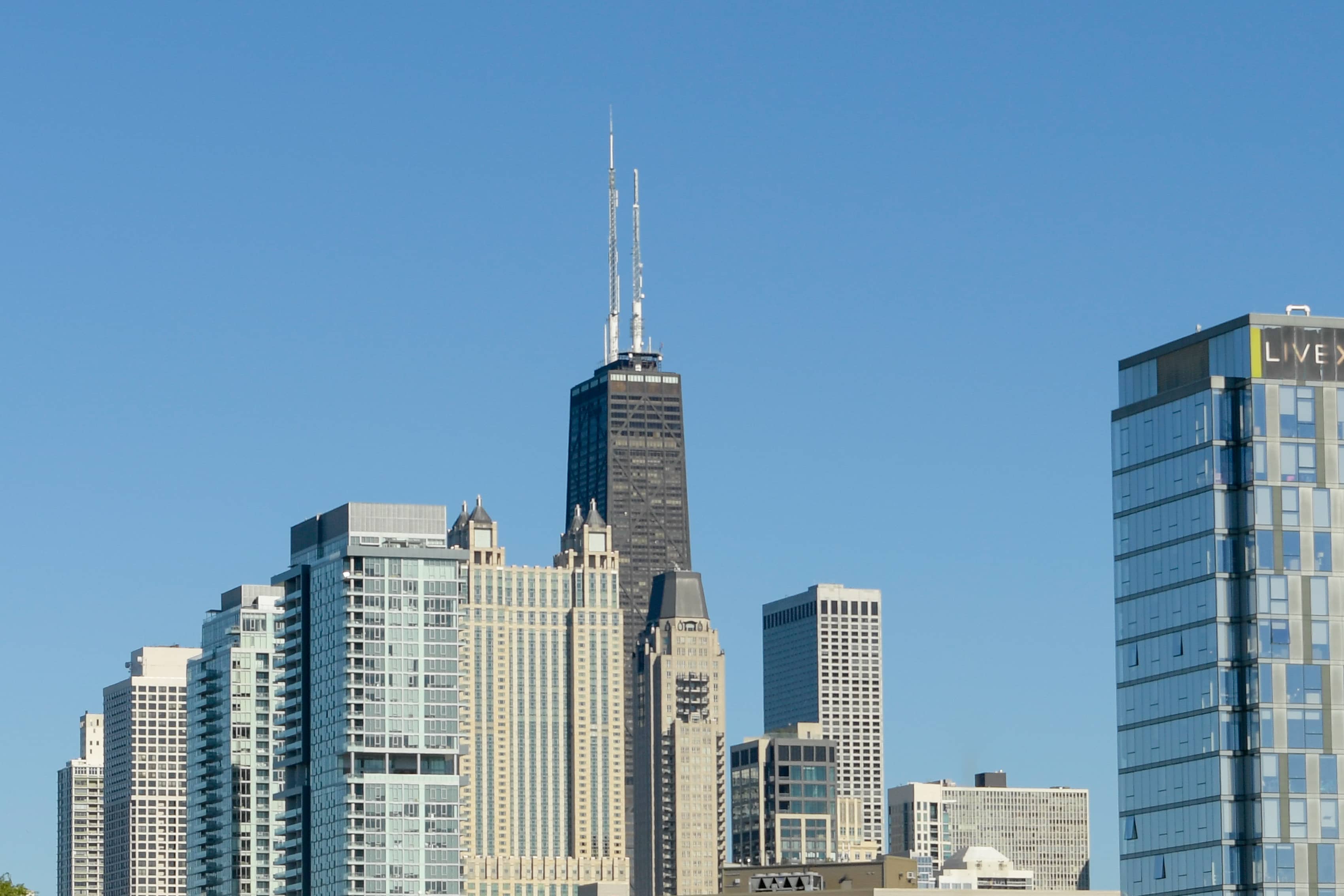
If Chicago is the top metro for corporate relocation, why is Chicago converting downtown office space for affordable housing?
Many Chicago office building owners are rushing to get approval to convert their empty office spaces to residential living, but will converting offices to homes save Chicago's creeping real estate crash? It seems ulikely.
One of the latest such conversions is going on in River North where Noah Properties of Schiller Park paid around $5 million for a three-story office building at 225 W. Superior St. The company is working to convert the office space to homes, according to Crain's Chicago Business.
But Crain's also says the River North project is only one of many such conversions going on around the city.
The paper reports there are at least three dozen such conversion projects underway in the city. River North is the location for four such projects, including conversions at 226 West Ontario Street, 223 West Erie Street, 401 West Ontario Street and 440 West Ontario Street.
"If you can convert an office building to residential there is a significant amount of cost savings versus building ground-up," Frontline Real Estate Partners Principal Matt Tarshis told Crain's.
But are these conversion plans a good idea? Will they save these buildings from disuse and total bankruptcy?
It is a nice dream, but it certainly seems unlikely.
There are a lot of factors working against the easy conversion of office space to new homes. The two types of buildings have far different requirements when they are being constructed, after all. Offices need fewer entrances, they don't need wide access to water and sewer services, there is often a lack of separation walls and rooms. In short, building an office is a very different project than building a series of apartments for residential living.
Therein lies the problem. Residents need kitchens. They need bathrooms. They need electrical outlets. But office buildings don't have all this infrastructure built in. It isn't as simple as just throwing up a few walls and adding some doors and, voilà, you have homes.
There is also the issue of figuring out how to get natural light to the new units, how to direct fresh air into them, not to mention creating entrances, exits, and emergency access.
All these design challenges can be addressed and overcome, granted. But at what cost? And will the price be cost effective to make the conversion worth the effort? In many cases, it does not seem so. And as the Chicago Sun-Times reported back in 2024, there is also the problem of the City of Chicago's zoning codes.
Let's face it, office buildings usually stand in business areas that are not zoned for residential use. Changing this for a conversion project naturally means dealing with the City Hall red tape that must be overcome to approve the project. That effort takes months — or even years — of wrangling with politicians. And right now, Chicago has not made any efforts to ease the troublesome regulatory gauntlet these building owners have to go through to create these newly converted living spaces.
Speaking of zoning codes, homes and neighborhoods also need residential infrastructure. Are there schools nearby? What about parking, gas stations, groceries, restaurants, stores? Business sectors are not usually teeming with the amenities that neighborhoods require.
Naturally, developers are also seeking tax breaks to make these conversions happen. And that opens a whole 'nuther box of troubles. Who gets the big tax breaks? Who is denied? What happens when the tax breaks end? And will these projects sink or swim without the tax breaks?
Meanwhile, Mayor Brandon Johnson continues to blow smoke at the business community with his oft repeated claim that Chicago is the perfect place for corporations to call home. Indeed, Johnson says that he is just as business friendly as anyone else and he thinks Chicago is booming.
"That's why I find it to be somewhat laughable when I get criticized for not being business friendly, but yet somehow there are cranes in the air in communities that have sat desolate," he said last week at a meeting of the Business Leadership Council where he went to flog his campaign for a second term in office.
This is the same mayor who has constantly pushed a ruinous corporate head tax on employees that would force companies to pay the city for the privilege of employing workers in Chicago. It is a tax the City Council has repeatedly vetoed as anti-business.
Small businesses are also not all that excited about operating in Chicago thanks to Johnson's anti-business attitude. Just last year, for instance, a survey of small businesses found that their optimism for Chicago fell from 79 percent in January of 2025 to 65 percent only three months later. In spite of this, Johnson continues to act as if the business sector is a bottomless source of tax dollars.
But all these dreams of converting empty offices into apartments and condos is just the sort of scrambling forced on Chicago's real-estate sector by city hall in the first place. The solution isn't converting Chicago's many empty office buildings to residential spaces. After all, if all these apartments get filled with families, where are the jobs going to come from that they'll need to pay the rent?
No, at the end of the day, the real solution is to end the anti-business climate with which City Hall has created. Office buildings are emptying out because businesses are leaving Chicago and new ones aren't filling the vacant space. If we stop this political assault on businesses, downtown will once again fill with companies and the vital jobs they bring.
Follow Warner Todd Huston on Facebook at: Warner Todd Huston | Facebook, X at @WTHuston, or Truth Social at @WarnerToddHuston.
